Steps Landlords Should Take to Secure a Rental Between Tenants
Tenant turnover is a natural part of renting out property, but it also brings a critical moment for security. When one tenant moves out and another is about to move in, the question of who still holds keys to the unit becomes urgent. Even if you trust the previous occupant, keys can be copied, lost, or handed to others without your knowledge. That is why a thorough approach to locks and access matters every time a tenancy ends.
Landlords who treat turnover as a routine administrative task often overlook how quickly small security gaps can grow. A former tenant who keeps a spare key, a subletter who never returned their copy, or a misplaced master key can all compromise a building's safety. The goal is not just to change a lock but to reset who can enter the property. This article walks through the practical checks every landlord should make between tenancies, with a focus on physical security and key control.
Start with a complete key audit
The first step is to account for every key that was issued for the unit and for any common areas the tenant could access. Gather all keys that were returned and compare them against your records. If you do not keep a key register, now is the time to start one. A simple log that tracks key serial numbers, the date issued, and the tenant's name makes future turnovers much easier.
During the audit, note any keys that are missing. A missing key is a security risk because you cannot be sure where it ended up. It may have been lost, kept by a former roommate, or given to a friend who sometimes housesat. Even if the tenant insists they returned everything, a gap in the log means the lock is potentially compromised. The same logic applies to fobs, garage remotes, and mailbox keys. Any access device that left your control should be treated as unsecured.
Decide between rekeying and replacement
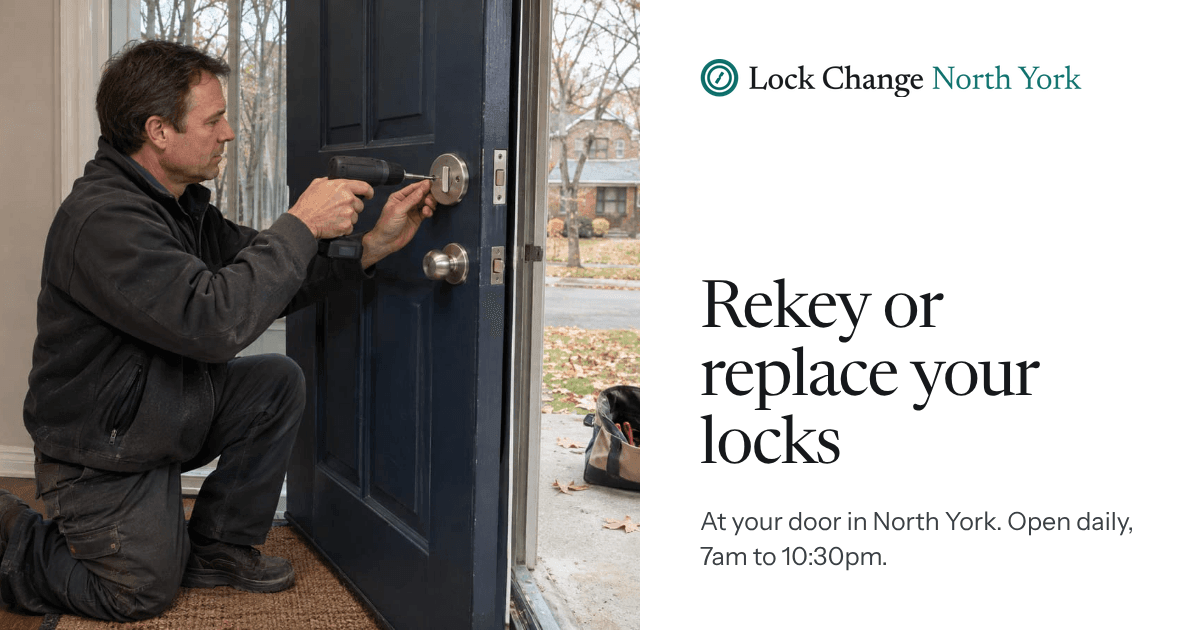
Once you know which keys are unaccounted for, you need to decide how to handle the locks. The two standard options are rekeying and full lock replacement. Rekeying changes the internal pins of the lock so that old keys no longer work, but the lock hardware stays the same. Replacement involves removing the entire lock and installing a new one.
Rekeying is usually faster and more affordable. It works well for standard pin tumbler locks on unit doors. A locksmith can rekey a cylinder in minutes, and you keep the same handles and strike plates. Replacement becomes necessary when the lock is damaged, worn out, or if you want to upgrade to a different key system. For example, if you are moving toward a master key system for the building, replacement may be the better choice. Both options achieve the same goal: the old tenant's keys no longer work.
Check all entry points, not just the front door
Landlords sometimes focus only on the main entrance and forget about secondary access points. A unit may have a back door, a side door, a sliding patio door, or a window lock that is rarely used. Each of these is a potential entry point. If a former tenant had access to any of them, those locks should be addressed during the turnover.
Sliding doors and windows often use latches that can be jimmied if they are worn. While these are not always rekeyable in the same way as a standard lock, you can replace the latch mechanism or install a secondary lock. The principle is simple: every opening that can be secured should be secured. A tenant who moves out may not think to return a window key, and you may not even know one existed.
Review master keys and access permissions
If the property uses a master key system, turnover is the right time to review who holds master keys. Master keys can open multiple units or common areas, so their loss or misuse creates a much bigger problem than a single unit key. Confirm that your master key inventory matches actual keys in circulation. If a property manager or superintendent left, their master key should be returned or the system rekeyed.
Access permissions also extend beyond physical keys. If the building uses keypad codes or electronic fobs, change those codes between tenants. A former tenant who still knows the building entry code can walk in without a key. Electronic systems are convenient, but they only work if you update them regularly. Make it a standard part of your turnover checklist to reset any codes or deactivate fobs tied to the previous tenant.
Inspect the lock hardware for wear
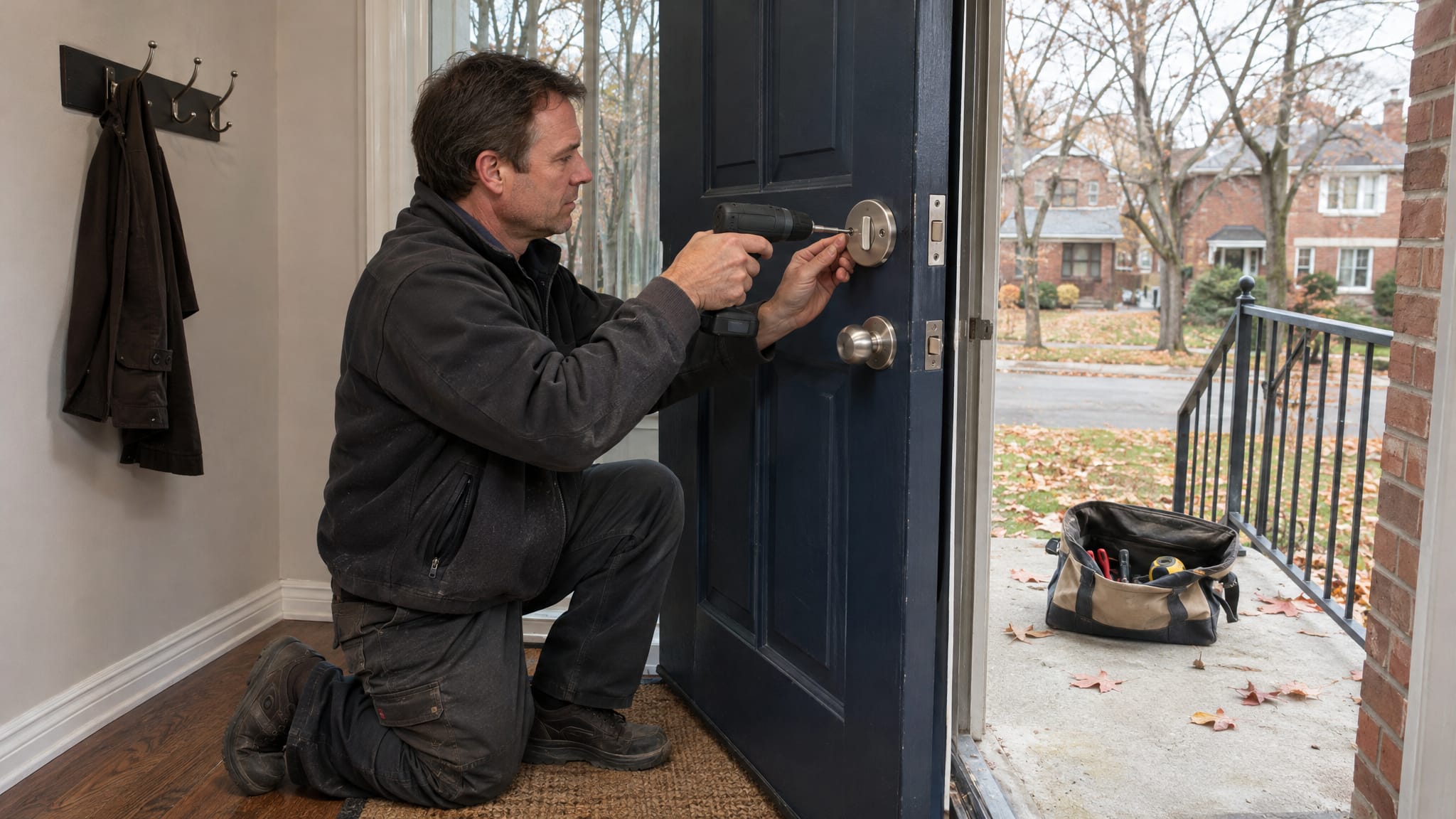
Locks experience a lot of use during a tenancy. A lock that feels sticky, turns with too much force, or has loose screws is a sign that the mechanism is wearing out. Between tenants is the ideal time to address these issues. A worn lock may fail entirely, leaving you with an emergency call to a locksmith at an inconvenient hour.
Look for visible damage such as cracked housings, bent keys stuck in the cylinder, or signs of attempted tampering. If the lock has been lubricated with the wrong product over the years, residue may have built up inside. A locksmith can clean and service the lock during a rekey visit, which extends its life. If the lock is beyond repair, replace it before the new tenant moves in.
Securing a property between tenants is about more than just changing a lock. It is a systematic review of every way someone could enter the unit without permission. Missing keys, forgotten windows, outdated codes, and worn hardware all contribute to risk. By treating each turnover as a fresh start for security, you protect both your property and your new tenant's peace of mind.
One area that landlords often overlook is the condition of the door itself. A lock is only as strong as the door it is mounted on. Check that the door fits snugly in its frame, that the hinges are secure, and that the strike plate is anchored into the wall framing, not just the trim. A gap between the door and the frame can be pried open even with a good lock. If the door is hollow core, consider upgrading to a solid core door for better resistance. These improvements are straightforward to arrange during a vacancy and add real value to the rental.
Another practical step is to rekey or replace locks on any shared areas that the tenant could access, such as a storage locker, a bike room, or a laundry area. If the building has a common entrance with a separate lock, that lock should also be addressed if the tenant had a key to it. The cost of rekeying a few extra cylinders is small compared to the potential liability of an unsecured shared space.
Document the entire process. Take photos of the locks before and after work, update your key register, and note the date of the lock change in your property records. This documentation helps if a dispute ever arises about who had access and when. It also gives you a maintenance history that makes future decisions easier.
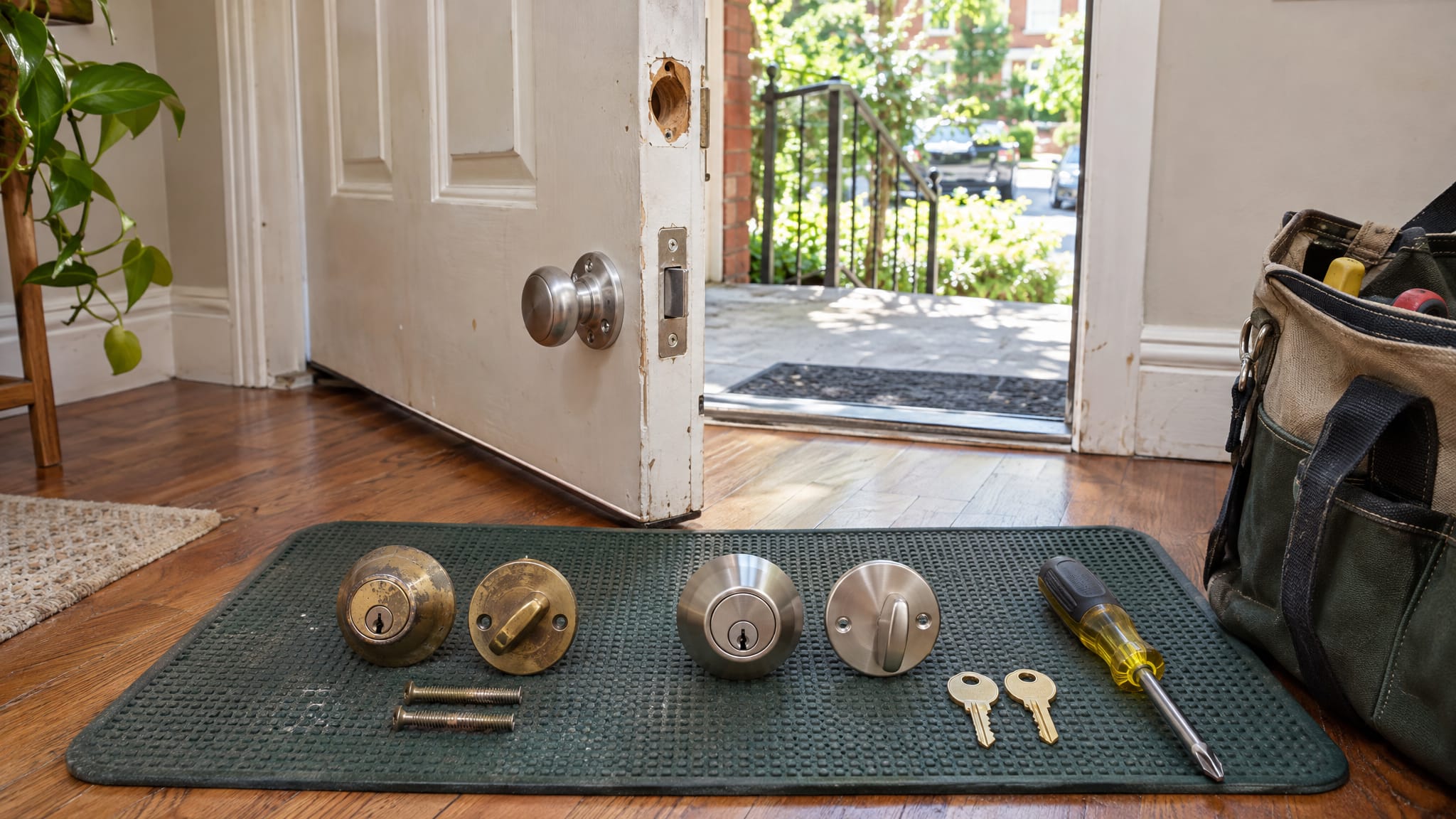
Finally, communicate with the incoming tenant about the lock change. Let them know that the locks have been rekeyed or replaced, and that they are receiving a set of keys that no one else has. This builds trust and shows that you take security seriously. It also gives you a chance to explain your key policy, including what happens if a key is lost or if additional copies are needed. Clear communication reduces misunderstandings later.
Securing a property between tenants is a straightforward process when you approach it methodically. The key is to never assume that the previous tenant returned all keys or that the locks are still in good shape. A rental lock change is the most reliable way to reset security between occupants. By making it a standard part of your turnover routine, you keep your property safe and your tenants confident in their new home.